Think about the last time you felt peace. Not the idea of it, but the actual feeling.
Maybe it was early morning, before the house woke up. Or it was a shared meal where the laughter came easily, or the moment a sick child finally fell asleep. It could be a quiet walk home after a hard day, when your shoulders dropped, and your breath slowed down without you noticing.
The world marked the International Day of Peace on September 21st; yet talking about peace this year can feel almost naïve. The World Economic Forum reports that 195 separate armed conflicts were recorded in 2025, and experts now rank state-based armed conflict as the second-biggest global risk of 2026. Many of us have felt helpless as we scroll past images of suffering we cannot stop.
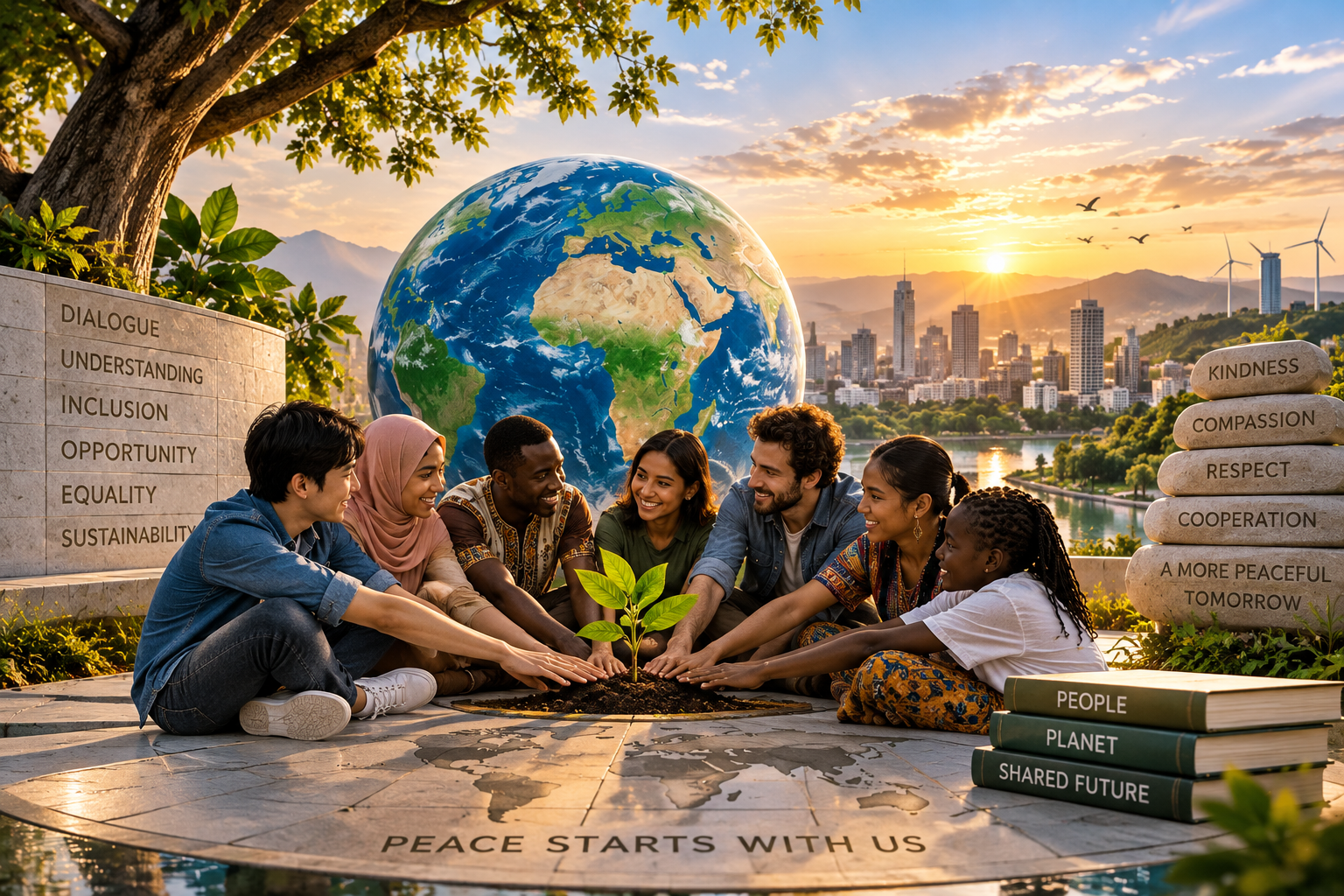
Yet the United Nations chose a theme that refuses to give up: Invest in Peace: For Everyone, Everywhere, Every Day. It honours the “everyday architects of peace,” ordinary people who build stability from the ground up in their neighbourhoods, classrooms and communities. As outgoing Secretary-General António Guterres reminded us this September, “peace is never a passive achievement.”
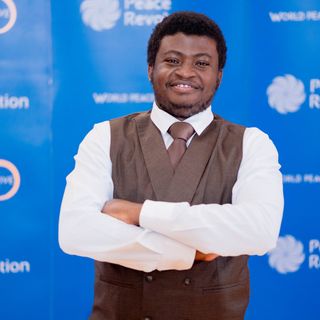
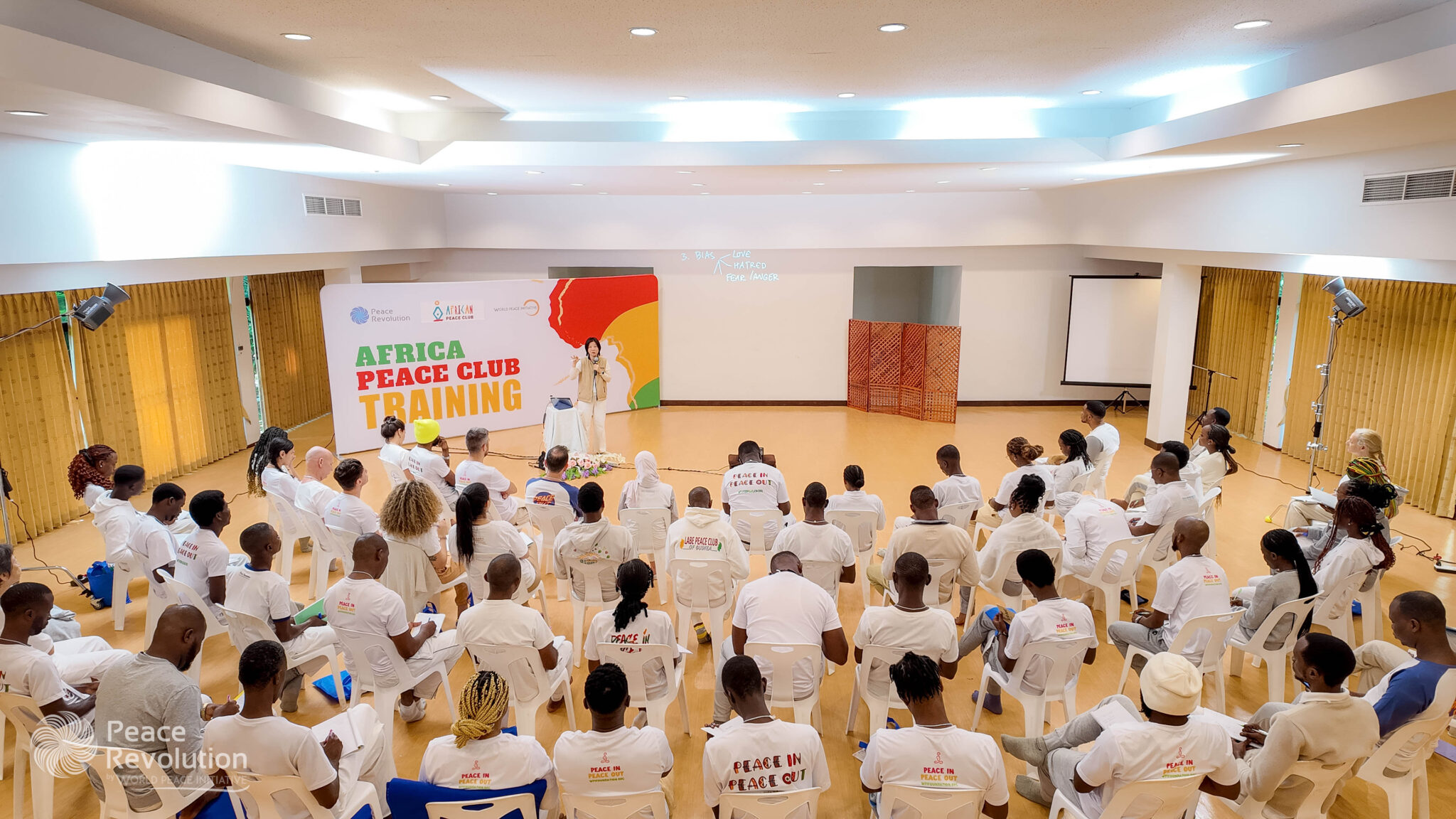
When I read the phrase “architects of peace,” I smiled. I am a Peace Architect, trained by the World Peace Initiative Foundation (WPI) in Thailand. And the first thing WPI taught me was that the first building site is never a parliament or a peace treaty. It is your own mind.
WPI’s vision is simple and radical at the same time: sustainable world peace happens when each of us works on our inner peace first. A peaceful world is built from peaceful people, the way a strong house is built from well-made bricks.
Most of the conflict in the world, from the family table to the negotiating table, begins as a moment like this that nobody paused to notice. That is why inner peace isn’t a luxury or an escape from the world’s problems. It is the foundation on which those problems are either solved or worsened.
At WPI, we approach this through the BetterME Model, the idea that when I become a better version of myself, the people around me feel it too. Through Peace Revolution, WPI’s free online learning programme, this practice has reached people in over a hundred countries. WPI’s 42-Day Online Self-Development Programme is free and designed for complete beginners as well as experienced meditators. Each day you receive a short guided meditation video and a daily reflection. Along the way, you learn different techniques, including breathing, mantra, visualisation and loving-kindness, and you build small acts of self-discipline that loosen the grip of stress and unhelpful habits. You also keep a meditation journal and are paired with a Peace Coach, an experienced volunteer meditator who walks the journey with you.
It is not tied to any religion. It is simply a tool for being in charge of your own mind.
Our tools are free and open to everyone, regardless of age, race, religion or cultural background, because peace that belongs only to some people is not peace at all.
In Thailand, there is a lovely word for the state this leaves you at – sabai – a sense of ease and well-being. You may not feel sabai every time. But with practice, you get better at finding your way back to it.
How? One calm response at home. One patient word to a stranger. One conversation where you listened more than you argued. None of these requires money, status or a title. They only require a mind that is steady enough to choose peace.
This year’s theme asks us to invest in peace every day. Here is one practical way to do that. Give yourself 42 days. Start today at wpifoundation.org/en/self-development-program/4.
The world’s leaders have their work to do, and we should keep asking them to do it. But we don’t have to wait for them. The architecture of peace is built one person, one breath and one day at a time.
Be cool, calm, clear and bright. Become an everyday architect of peace.
No comments yet. Be the first to share your thoughts!
You need to sign-in to post a comment.
Sign In