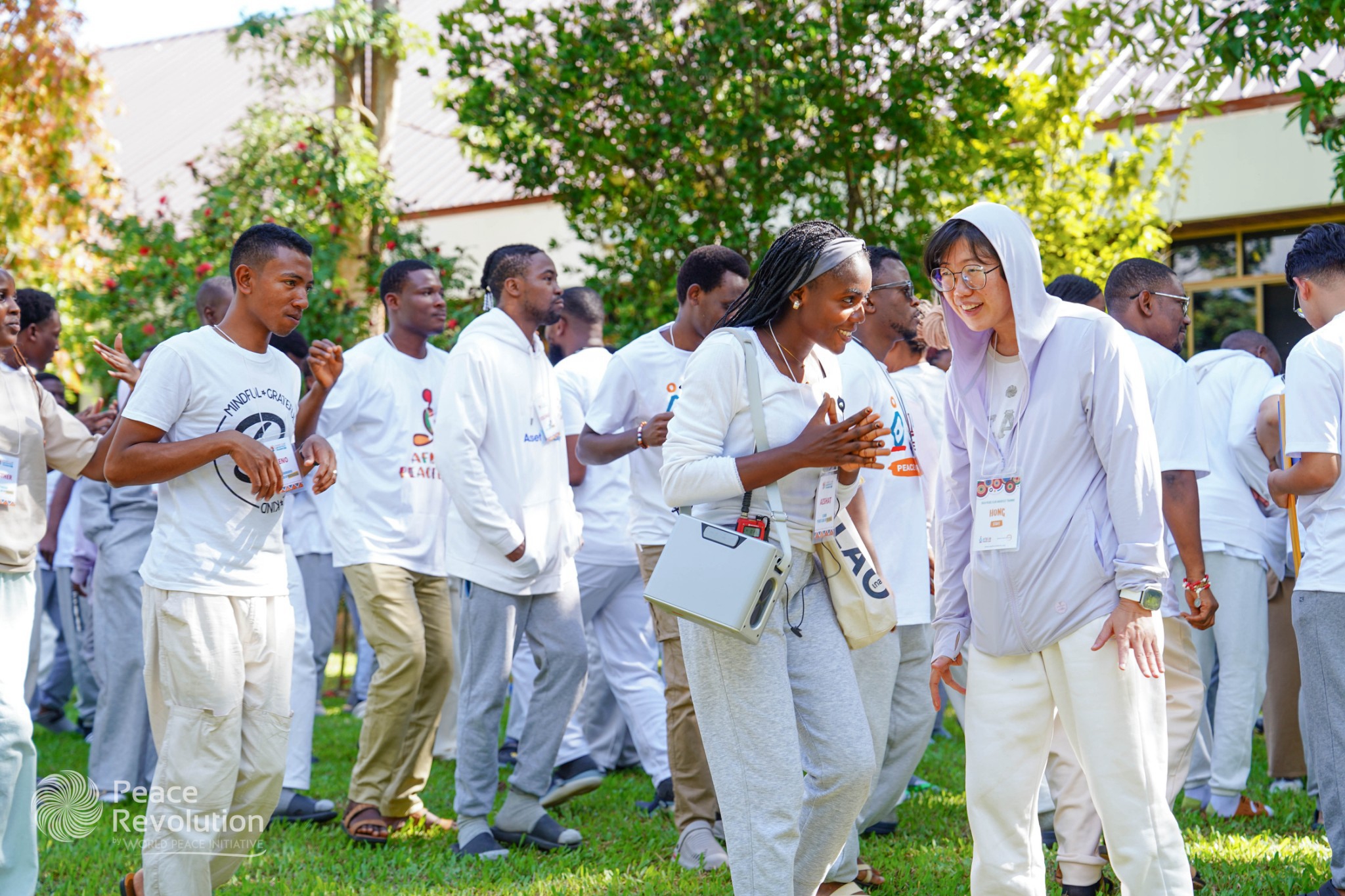
The fourth edition of the Peace Club Architect Training (PCAT IV) brings together young people and Peace Club members from across Africa from 12 to 28 November 2026, at the Himmawan Retreat Center in Thailand for an intensive experience of personal development, leadership transformation, and cross-cultural collaboration.
Organised by the World Peace Initiative Foundation (WPI), this initiative goes beyond conventional training. It is designed to equip young Africans with the mindset, practical skills, and inner resources needed to become active contributors to peacebuilding across the continent. Through a dynamic series of activities, participants engage in team-building exercises, icebreakers, networking sessions, interactive learning, and mindfulness practices. Each experience is an opportunity to strengthen human connections, discover new perspectives, develop leadership competencies, and cultivate inner peace. However, the real value of PCAT IV extends far beyond the training sessions.
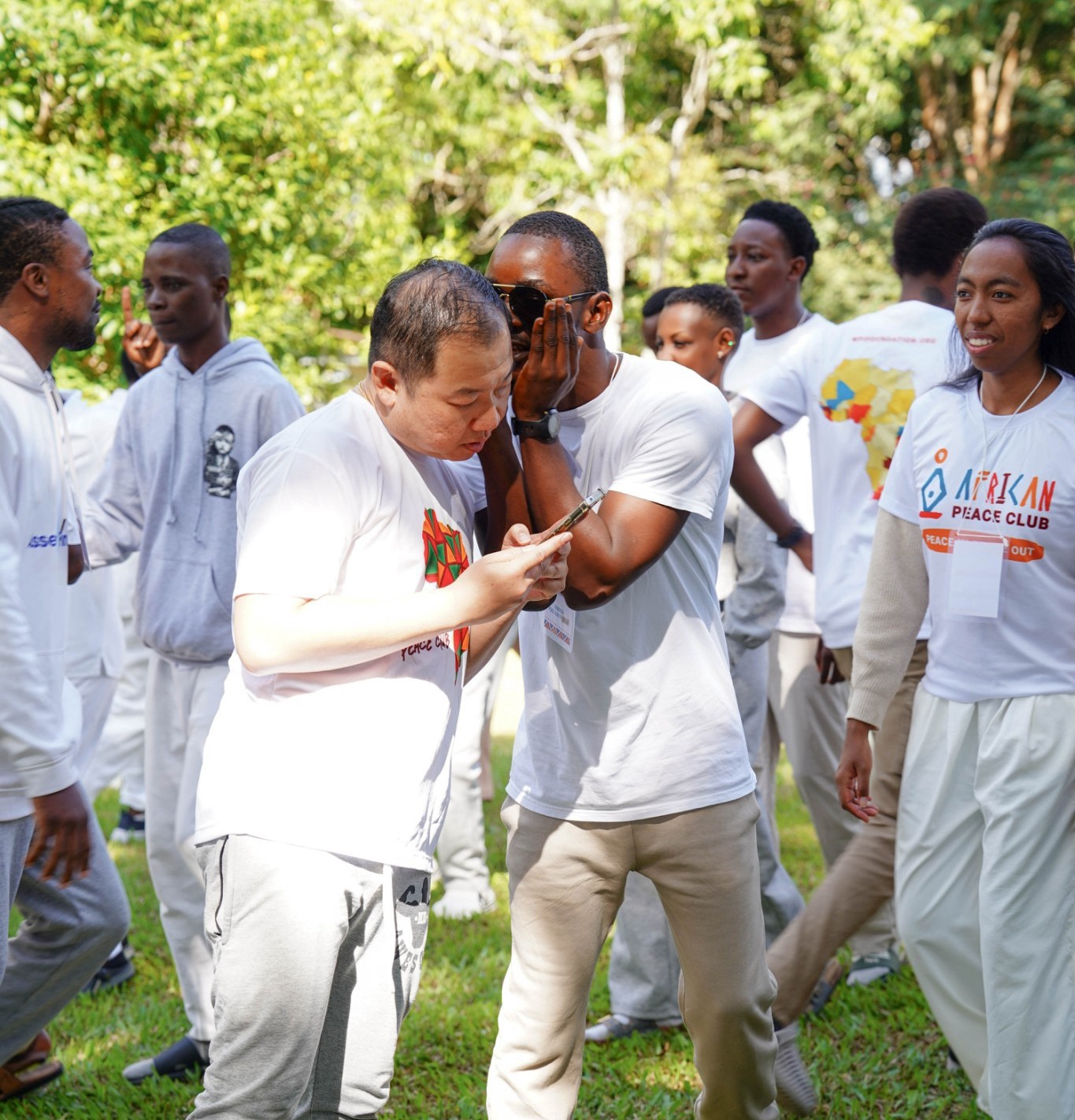
Bringing together participants from diverse cultural, social, and national backgrounds creates a unique environment for cross-cultural learning and global interaction. Participants are challenged to embrace diversity, appreciate different perspectives, exchange experiences, and build meaningful connections that transcend geographical boundaries. At its core, PCAT IV is built around a powerful principle that lasting peace in our communities begins with inner transformation. By learning to understand themselves, manage their emotions, strengthen their relationships, and lead with greater awareness, these young people are developing the foundations to create meaningful change in their communities.
PCAT IV is not simply about training young people to talk about peace. It is preparing them to embody it, practise it, and multiply its impact wherever they go. Hence, the biggest question remains: What should we expect after PCAT IV?
Will these emerging Peace Architects return to their communities with new perspectives, stronger leadership capacities, and a renewed commitment to action? Can the connections established become the foundation for stronger collaborations and sustainable peacebuilding initiatives? And, most importantly, how will the transformation experienced within each participant translate into measurable impact beyond the training?
The next chapter of this journey will not be defined by what participants have learned alone, but by what they choose to do with that knowledge. Because building a peaceful Africa requires more than good intentions. It requires transformed individuals, responsible leaders, and collective action.
The training may come to an end. The mission of building peace has only begun.
No comments yet. Be the first to share your thoughts!
You need to sign-in to post a comment.
Sign In